

Your shopping cart is empty!
Herbs
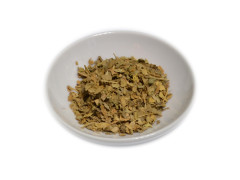
Canavalia maritima (20g)
In South America and the Gulf Coast of Mexico dried leaves of Bay Bean were considered sacred and designed around the graves of the Mazatec and other tribes.
The dried..
10.00€ 7.90€

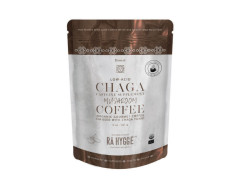
A beautiful organic coffee, originating from Peru and enriched with the divine mushroom of immortality. A top class product from guaranteed organic sources.
DE-ÖKO-001 non-EU Agriculture (Peru)
..
12.00€ 9.90€
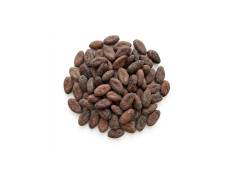
BIO Cocoa Beans (200g)
Fermented, unpeeled, sourced entirely from the Dominican Republic - BIO -
AT-Bio-301 non european farm
Cocoa beans were far more than just a beloved food for the ..
11.90€
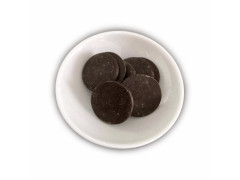
BIO Cocoa mass (150g)
Cocoa keeps you happy and healthy!
..
11.90€ 10.00€
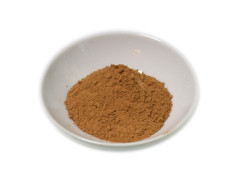
The Kola Nut — a tree native to the tropical rainforests of West and Central Africa — reaches a height of up to 20 metres. Synonymous names for this energy-giving plant include Kola tree, Cola acumina..
5.90€
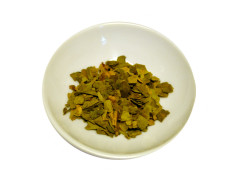
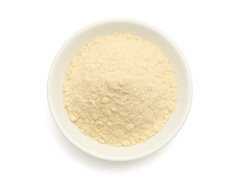
The famous root of life, Ginseng (Panax ginseng) — a complex mixture of over 200 triterpene saponins — is also known as Asian ginseng, Korean ginseng, Gilgen, Sam root, power root and man root.
Ori..
13.90€

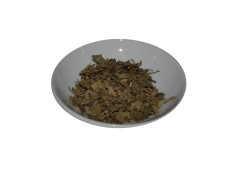
Hydrocotyle asiatica (50g)
Gotu Kola is also known as Fo Ti Tien in China. It cleans the body, increases mental accuity and acts as a stimulant. It also has a relaxing effect and increases vitality..
7.90€
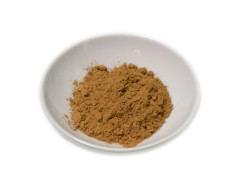
Paullinia cupana (50g)
Guarana is native to the Amazon and Orinoco. Today, the main growing country is Brazil, however it is also grown in Sri Lanka, Uruguay and throughout Central America.
Guar..
5.90€
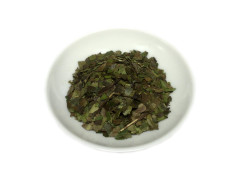
Ilex guayusa (50g)
Guayusa herb native to the Amazon basin and is drunk by the local indigenous people for centuries as a stimulating tea. By drinking this heavily caffeinated tea, they aimed to ac..
7.90€
With this unique Organic Hemp Leaves tea (50g) you will find calm and relaxation. The valuable cannabinoids in the hand-processed hemp support your sleep in a 100% natural way.
Shen-Nung,..
15.00€
With this unique Organic Hemp Tea (24g) in bags, you will find calm and relaxation. The valuable cannabinoids in the hand-processed hemp support your sleep in a 100% natural way.
Shen-Nung, the myt..
12.00€
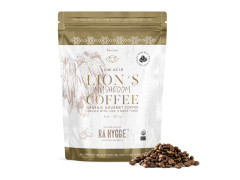
A beautiful organic coffee, originating from Peru and enriched with the divine mushroom of immortality. A top class product from guaranteed organic sources.
DE-ÖKO-001 non-EU Agriculture (Peru)
..
12.00€
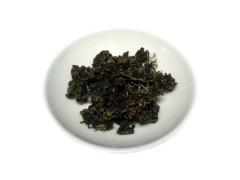
Premium leaves (100g)
Known in China as xiancao or “herb of the immortals”, Jioagulan is a powerful adaptogen that can sooth tired nerves whilst strengthening the immune system against stress. Anci..
9.90€
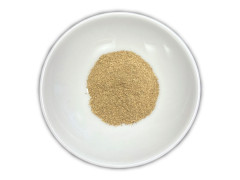
Sceletium tortuosum Powder (5g)
Kanna, also known as Sceletium tortuosum, is the most widespread plant species of the Aizoaceae family. Thanks to its remarkable capacity for water storage, it is al..
9.90€
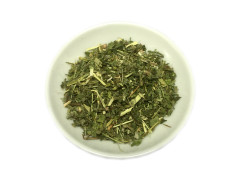
Althaea officinalis (50g)
Althaea, AKA the marshmallow plant, was originally used as a medicine by the ancient Egyptians. Its usage in Europe is traceable back to the 11th century, when candied pie..
8.00€ 5.90€
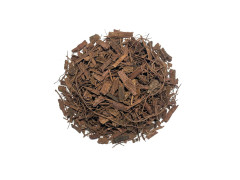
Mimosa hostilis (100g)
Anyone hearing the name Mimosa hostilis for the first time might picture a sulky little plant that curls up in offence at the slightest touch — but that would be the wrong mi..
19.90€
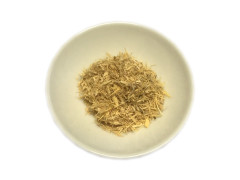
Erythrina mulungu (50g)
The forests of Peru and Brazil are home to a remarkable plant: the coral tree, also known as Mulungu, Pisonay, Mandara or Erythrina mulungu, to name just a few of its synony..
9.90€ 8.00€
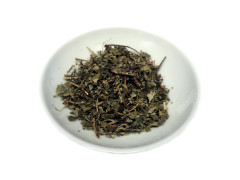
Minthostachys mollis (50g)
The Andes mint or Muña (Quechua) is a medicinal plant that is primarily native to the South American Andes, ranging from Bolivia to Venezuela.
This tasty herb is used ..
9.90€
New Products
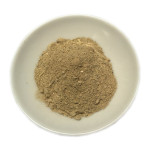 The Drink of Peace – Piper methysticum (50g powder) from Vanuatu The kava kava plant grows as an evergreen shrub that... |
|
14.90€
|
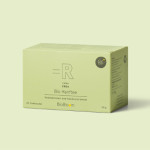 With this unique Organic Hemp Tea (24g) in bags, you will find calm and relaxation. The valuable cannabinoids in the han... |
|
12.00€
|
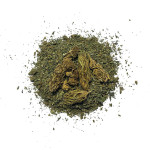 With this unique Organic Hemp Tea (25g strawberry flavor) you will find calm and relaxation. The valuable cann... |
|
29.90€
|
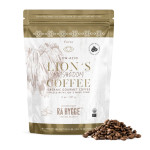 A beautiful organic coffee, originating from Peru and enriched with the divine mushroom of immortality. A top class prod... |
|
12.00€
|
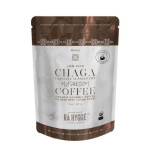 A beautiful organic coffee, originating from Peru and enriched with the divine mushroom of immortality. A top class prod... |
|
12.00€ 9.90€
|
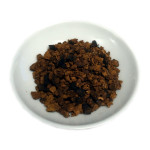 Chaga - Inonotus obliquus (50g) Chaga (Tschaga) was outside Eastern ignored europe for a long time. Only since a fe... |
|
7.90€
|