
Your shopping cart is empty!
Kava Kava - Vanuatu Ceremonial
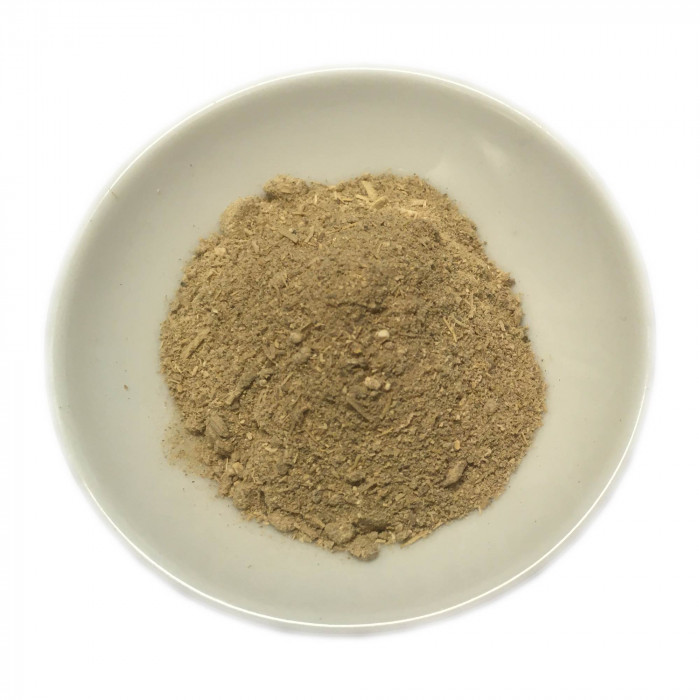
Weight: 50 g -
Price:
14.90€
5 packs or more cost only 14.00€ per pack
10 packs or more cost only 13.00€ per pack
10 packs or more cost only 13.00€ per pack
Qty:
- OR - Add to Wish List
Add to Compare
- OR - Add to Wish List
Add to Compare

The Drink of Peace – Piper methysticum (50g powder) from Vanuatu
The kava kava plant grows as an evergreen shrub that can reach a height of up to three metres. Heart-shaped leaves of up to 20 centimetres and worm-like flower spikes adorn the plant, which also goes by the names Rauschpfeffer, Yaqona, Awa and Kava. Pollination is usually carried out by humans. Kava is often grown in mixed cultivation alongside banana plants, cacao or coconut palms. After three to four years, a plant is large enough to be dug up.
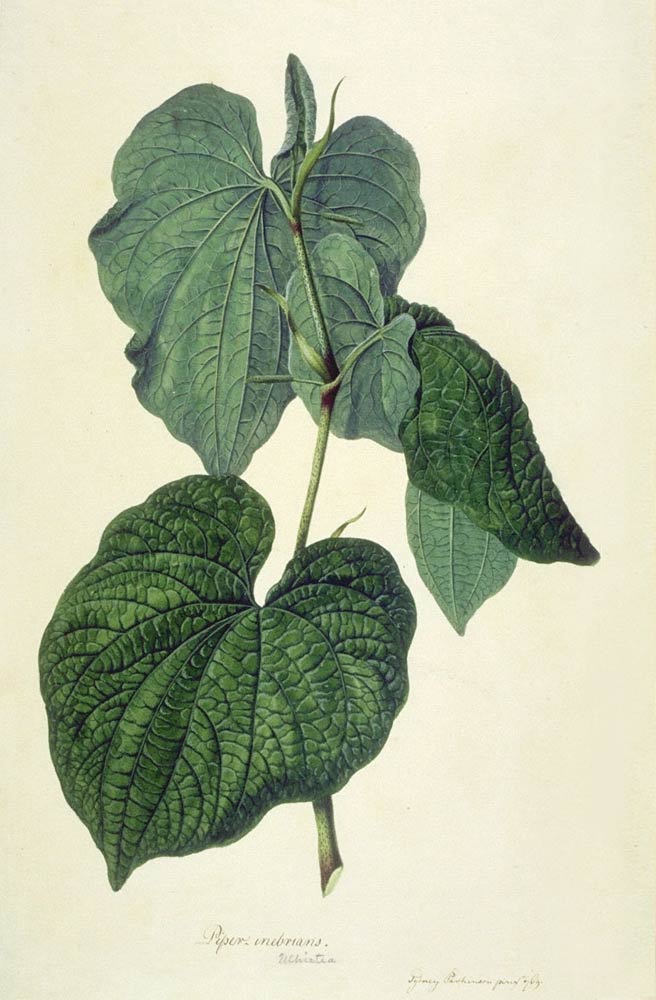
The physically relaxing, anxiety-relieving and mentally calming effects of kava have by now spread far beyond the Pacific region to our latitudes, where it has found an enthusiastic following. Although the plant's origins remain shrouded in mystery, it is well worth taking a closer look at its use in its homeland: Kava kava is an essential part of life on the Pacific islands. Ceremonies with the psychoactive root are a symbol of friendship, bring people together and lend special occasions an even greater significance. After centuries of unbroken transmission of knowledge about the revered shrub, the tradition remains enormously popular to this day. While customs have evolved, kava continues to be an active part of social life.
As already suggested, the exact origin of the Rauschpfeffer cannot be pinpointed. The geographical candidates include New Guinea, the Fiji Islands and Vanuatu. What is beyond dispute, however, is that the practice of drinking kava is a widespread tradition across the islands of the Pacific. How we Europeans first came to encounter the so-called Rauschpfeffer is described in various ways. On one hand, the English seafarer James Cook may have made a significant contribution to its discovery, as he mentioned the ceremonies and the plant in his travel journals. On the other hand, the Dutch "explorers" Jacob Le Maire and Willem Cornelisz Schouten are also mentioned in connection with the shrub, as they are said to have observed the use of kava on the Horn Islands. What was documented at any rate were ceremonies that closely resemble or are even identical to those practiced today.
A kava ceremony is typically held when there is cause for celebration — for example, the appointment of a new village chief, a wedding, or a high-ranking visit. Members of the British royal family visit Vanuatu at regular intervals, and a very special kava — the "Royal Kava" — is reserved for them. Prince Charles was declared Honorary High Chief of Vanuatu in 2018 and had the honour of drinking the royal kava, which had last been consumed by his father in the 1970s. Another occasion for a kava ceremony is believed to be the settling of disputes. Its relaxing effect creates an atmosphere that enables open dialogue between the parties involved. In this way, indigenous tribes can come together with kava as a peace offering and collectively resolve conflicts through conversation.
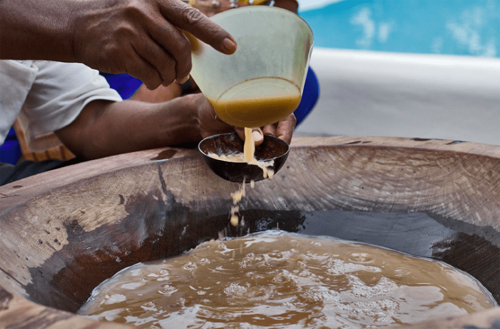
Beyond ceremonial purposes, Awa is also used as a remedy. Here, the particular value of its calming effect takes centre stage. People suffering from stress, anxiety or sleep problems are treated with the drink. Kava is also said to have muscle-relaxing and diuretic properties. In Fiji, a traditional ceremony bears the name "Sevusevu" and may begin with participants presenting the host with a kava root as a gift. This respectful gesture conveys an understanding of the culture, as kava — or "Yaqona" — is considered the national drink here.
When guests are seated in a circle around a large bowl called a "Tanoa", the host positions themselves directly in front of it and begins preparing the drink. The peeled and chopped root pieces are pounded into a paste, which is then placed into a cloth bag and submerged in water. Finally, the paste is wrung out and the brownish liquid is ready to enjoy. The drink is often poured into half a coconut shell, known as a "Bilo". The first person to drink is the host or the highest-ranking person present. Before drinking, one clap is given, then ideally the whole cup is downed in one go, followed by three more claps. Finally, everyone calls out "Bula!" — meaning cheers, and simultaneously a congratulation. Shortly afterwards, a pleasantly numbing sensation sets in around the mouth and lips, followed by a sense of calm and relaxation.
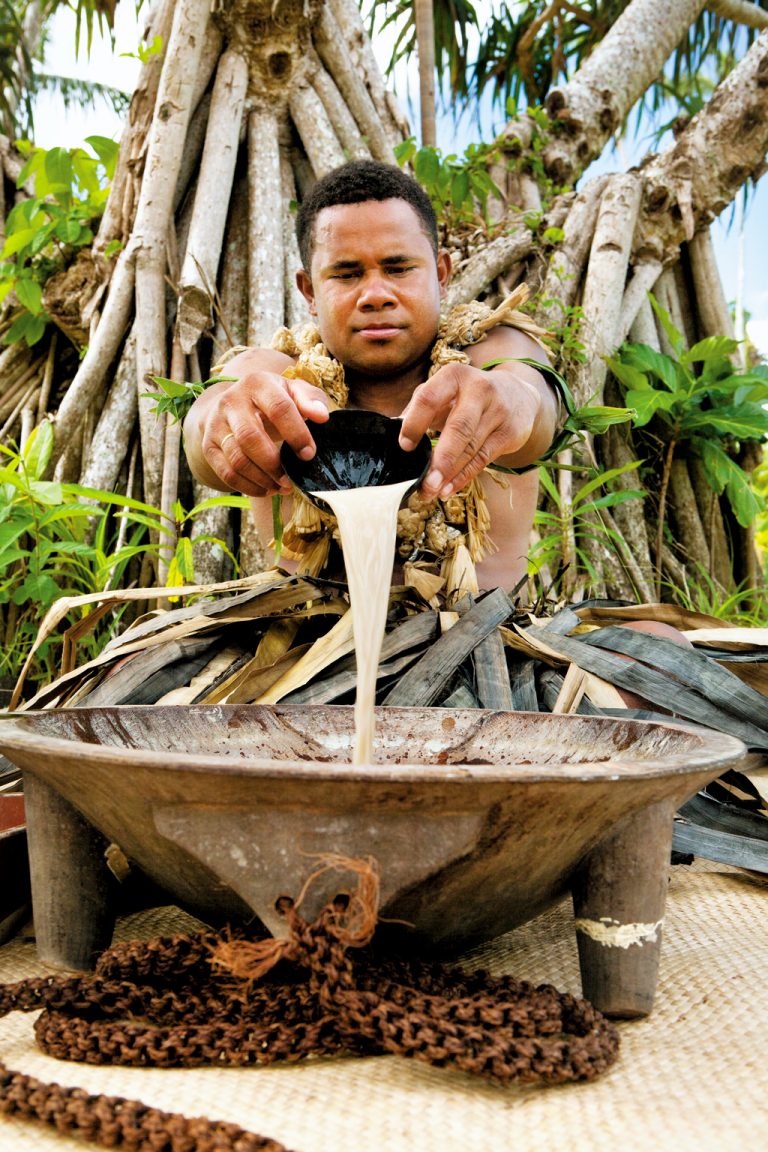
On the Fiji Islands, both women and men drink kava. Cultural differences in kava ceremonies are, of course, as numerous as the islands of the Pacific. On the island of Tonga, only men drink kava — women may serve it. The tradition involves being courted while serving; if a man is related to the woman serving, he is obliged to leave. All other men present may compete for her favour. In Hawaii, kava is called "Awa". The plant, once reserved for the most important figures and gods, has since found its way into kava bars and folk settings. Vanuatu is home to the greatest number of kava varieties. People can often be observed chewing on the roots. Vanuatu also has a large number of kava bars called "Nakamal", which serve both women and men. These kava bars build our bridge to Western consumption of the kava root. In the USA, kava bars exist in a similar vein to Dutch coffee shops — kava is prepared not ceremonially, but in a lively bar setting. A modern convenience is so-called instant kava, which simply needs to be stirred into water.
European engagement with kava differs somewhat. For a time, preparations were produced and sold within a pharmaceutical framework, which made them more accessible than today's powder. Around the turn of the millennium, several cases of kava consumers suffering from severe liver damage were recorded. This led to an immediate ban on such preparations, making their sale outside pharmacies impossible. To this day, a connection between consumption and health consequences has not been sufficiently proven.
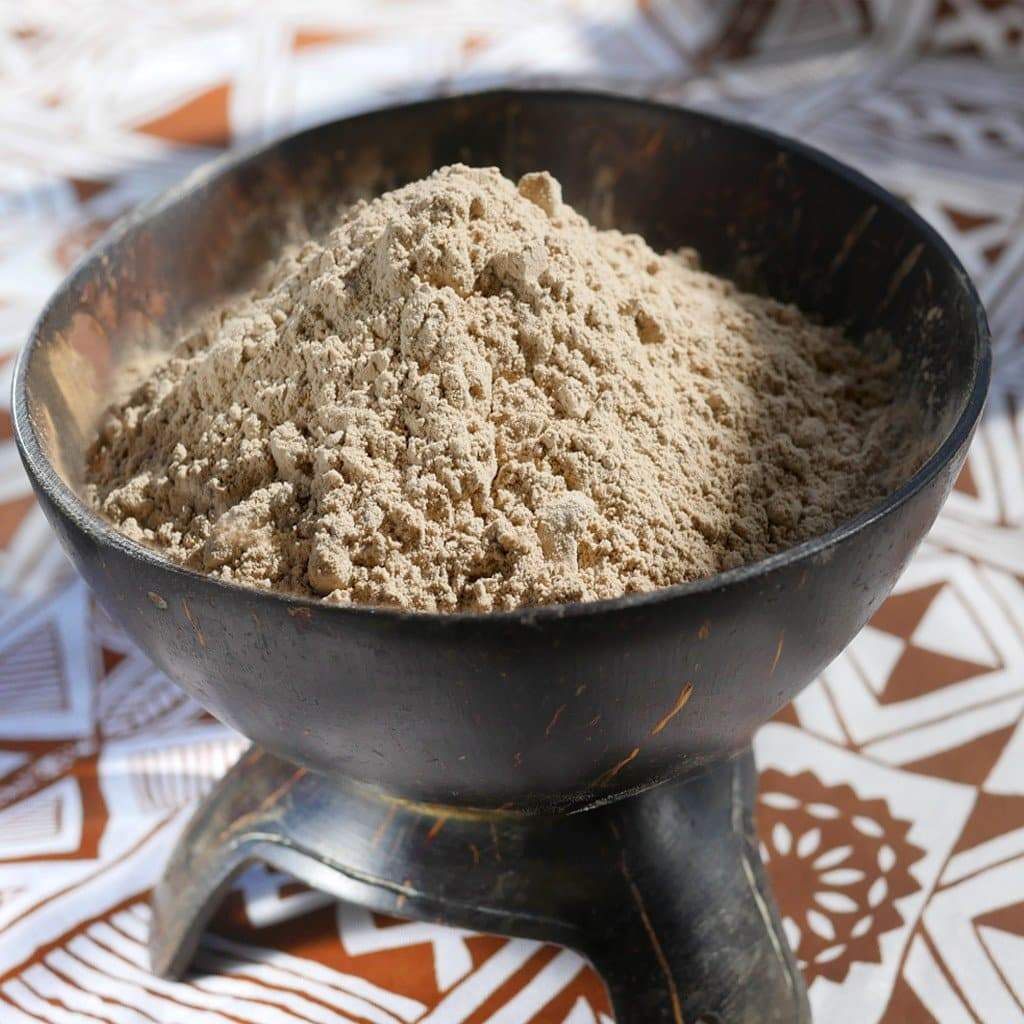
Kava has been prepared on the Pacific Islands since time immemorial, and in those regions no long-term consequences of consumption are known. This raises the suspicion that the pharmaceutical industry has played a role — an industry not exactly known for its enthusiasm for plant-based alternatives to psychotropic medication. Even if consumer protection genuinely stood at the forefront of these decisions, we question the course of events: one potential problem may have been the method of processing the plant. As already noted in this text, the root is the relevant part for kava preparation. The above-ground parts of the plant contain, in addition to kavalactones, piperidine alkaloids, which are thought to contribute to liver damage. It is possible that the entire plant was used in the production of the pharmaceutical preparations — certainly more cost-effective and faster, but leading to a considerable reduction in tolerability. Another factor to consider is the quality of the kava itself. A fundamental distinction is made between "Noble" and "Tudei". Kava produced and sold commercially must carry the former quality designation. Tudei, by contrast, refers to a wild-growing kava whose effects last for a full two days — hence the name, derived from the English "two days". Two days is a considerable duration and points to an extremely potent variety. If this grade of kava was used in pharmaceutical production, we are not at all surprised by the side effects and can speak of negligent conduct on the part of the industry. We hold the view that Rauschpfeffer is a truly unique plant. Its broad spectrum of healing properties — a genuine gift of nature — is increasingly becoming a source of support for people suffering from chronic stress. Particularly in times like these, access to natural remedies should be supported and expanded rather than prohibited.
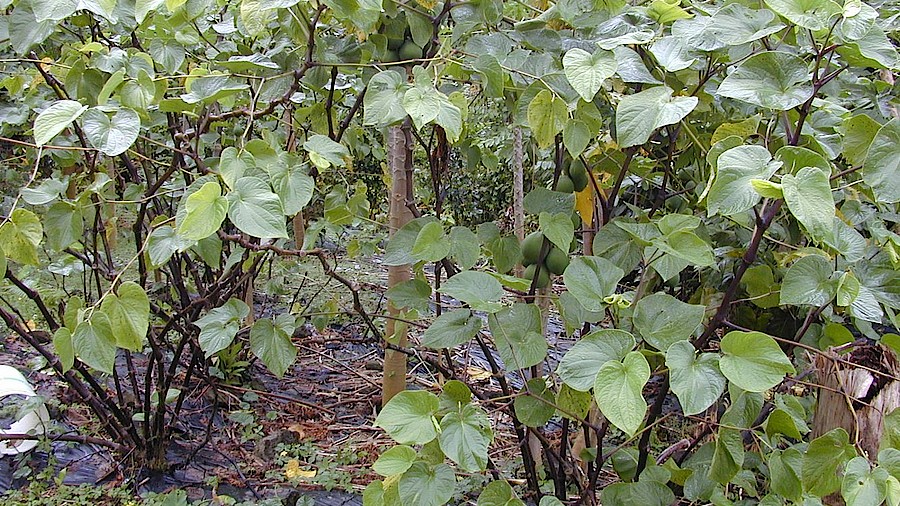
The shrub's effects have traditionally been said to calm the central nervous system. Kava is thought to ease tension, nervousness, anxiety, palpitations and circulatory complaints. An added advantage is that kava kava does not cause any dependency whatsoever. Due to the lack of evidence for any actual link between liver damage and kava consumption, kava has fortunately not been banned in Europe. For those who have grown curious and wish to discover the healing power of this shrub for themselves, please note the following:
WARNING: Our kava is of the highest quality, and we sell only root powder from Noble kava producers. Nevertheless, we are not permitted to sell it for consumption and will not answer any consumption-related questions.
Kavalactone Vanuatu Ceremonial Kava: 10.15%
Write a review
Your Name:Your Review: Note: HTML is not translated!
Rating: Bad Good
Enter the code in the box below:
Related Products
Featured