
Your shopping cart is empty!
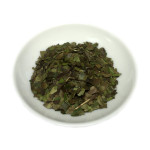
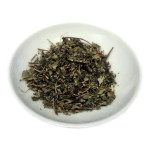
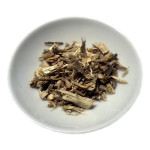
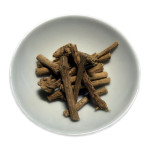
Mimosa hostilis
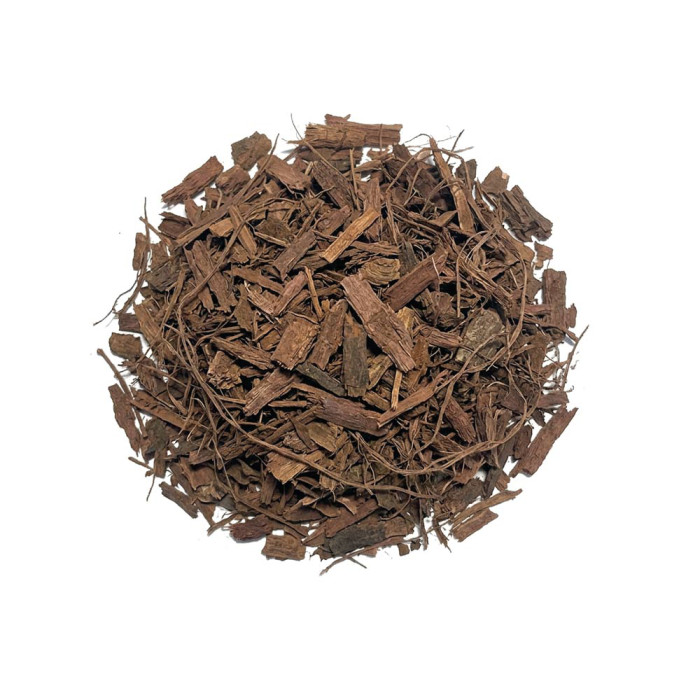
Weight: 100 g -
Price:
19.90€
5 packs or more cost only 16.00€ per pack
10 packs or more cost only 15.00€ per pack
10 packs or more cost only 15.00€ per pack
Qty:
- OR - Add to Wish List
Add to Compare
- OR - Add to Wish List
Add to Compare

Mimosa hostilis (100g)
Anyone hearing the name Mimosa hostilis for the first time might picture a sulky little plant that curls up in offence at the slightest touch — but that would be the wrong mimosa. Our protagonist today is considerably more robust, more versatile, and frankly a little underrated.
A Tree with an Identity Crisis
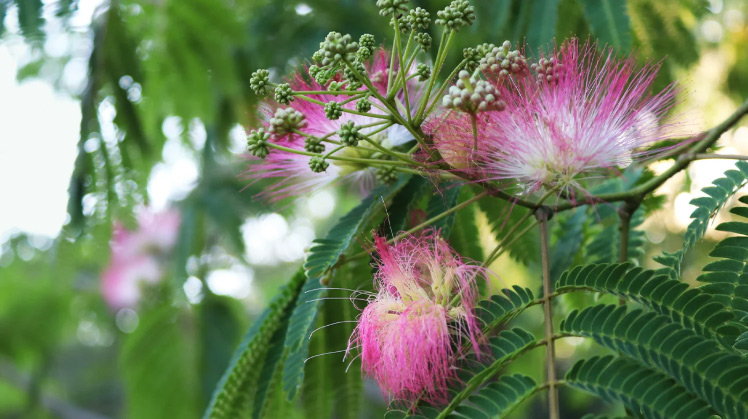
Mimosa hostilis — also known as Mimosa tenuiflora — is a medium-sized shrub or tree from the legume family, native primarily to north-eastern Brazil and parts of Mexico, El Salvador and Honduras. In Brazilian vernacular it goes simply by Jurema or Jurema Preta, meaning "black Jurema." It sounds mysterious, but is above all practical — for this tree has been a true all-rounder of the region for centuries.
Survival Artist of the Caatinga
Anyone wanting to survive in the Caatinga — the rugged, semi-arid scrubland of north-eastern Brazil — needs nerves of steel. And Mimosa hostilis has exactly that. The tree thrives where other plants have long given up: barren soils, scarce water, blazing sun. It is an ecological heavyweight in a region that is itself often underestimated.
Its secret? Like many legumes, it lives in a close-knit working relationship with certain soil bacteria that allow it to fix nitrogen from the air. In short: it fertilises itself. A dream for anyone who tends to forget about their houseplants.
The Bark That Packs a Punch
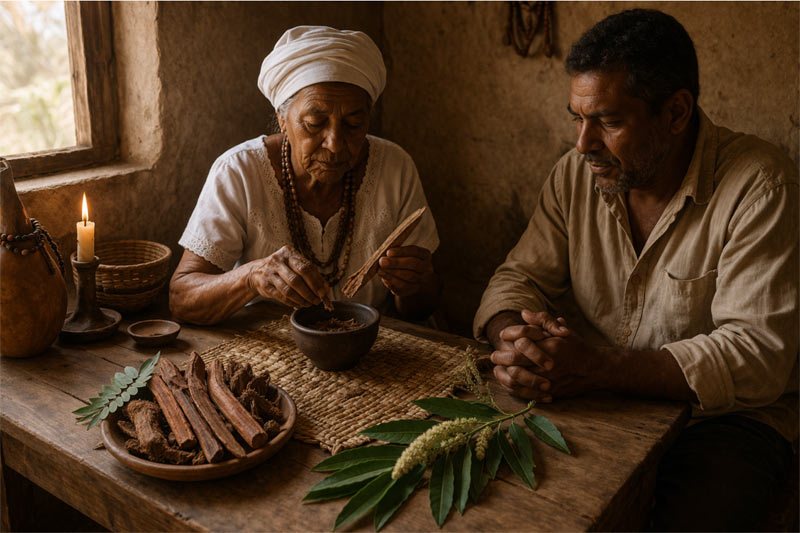
The inner bark of the Jurema is particularly renowned. It contains high levels of tannins — astringent compounds that have been used in the traditional folk medicine of the region for centuries, particularly for wounds and burns. The bark was considered a natural wound remedy and is still used as such in some areas today.
The modern cosmetics industry has also long had its eye on the Jurema. Extracts from the bark can be found in creams and lotions credited with regenerating and skin-caring properties. The Brazilian tree has thus successfully made its way onto European bathroom shelves — without a visa and without much fuss.
Animal Feed, Firewood and Erosion Control
But Mimosa hostilis has even more to offer. Its leaves and pods are an important source of fodder for goats and sheep in regions where little else grows — making it a quiet backbone of smallholder farming in the Caatinga.
The wood is considered hard and burns excellently, which is why it has traditionally been used as firewood and charcoal. And because the tree grows quickly and puts down deep roots, it is ideally suited to soil stabilisation in areas at risk of erosion. A true all-rounder, never too proud to take on the unglamorous jobs.
A Tree of Cultural Depth
The indigenous and mestizo communities of north-eastern Brazil share a long spiritual and cultural relationship with the Jurema. "Jurema rituals" form part of vibrant syncretic traditions in which the tree is regarded as a sacred plant — a bridge between the everyday world and the spirit world. This has less to do with chemistry than with identity, community and centuries of lived culture.
In Conclusion: More Than a Botanical Tongue-Twister
Mimosa hostilis is a prime example of how plants rarely have just one story to tell. Grandmother's remedy, animal feed, cosmetic ingredient, cultural plant and climate guardian of the Caatinga — this tree wears many hats without ever losing its composure.
Respect, Jurema. Respect.
Our herbs offer significant benefits to people; however, we are not permitted to make any medicinal or healing claims, even where these have been known for thousands of years.
Write a review
Your Name:Your Review: Note: HTML is not translated!
Rating: Bad Good
Enter the code in the box below:
Related Products

Featured