
Your shopping cart is empty!
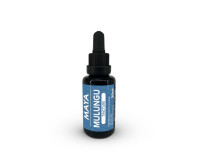
Mulungu
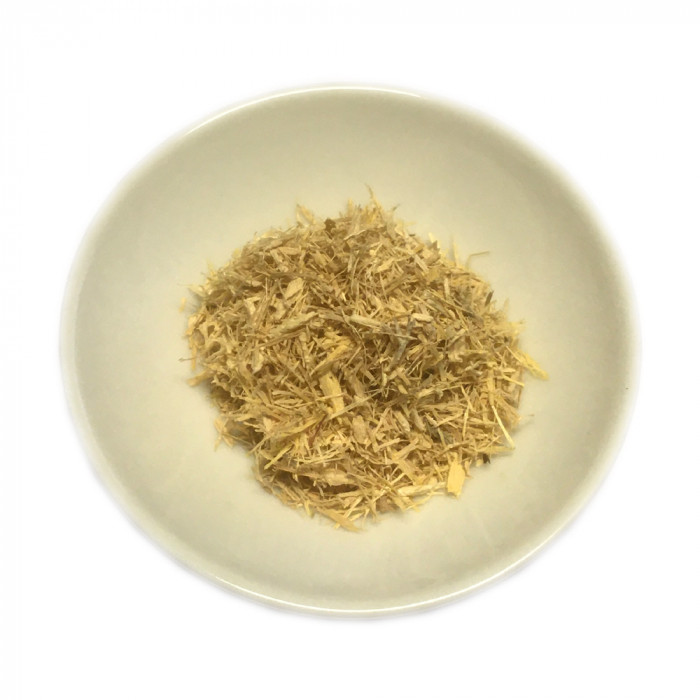
Weight: 50 g -
Price:
9.90€
5 packs or more cost only 8.00€ per pack
Qty:
- OR - Add to Wish List
Add to Compare
- OR - Add to Wish List
Add to Compare

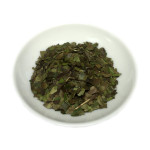
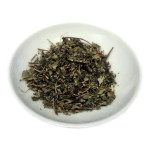
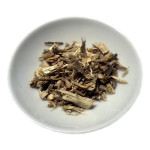
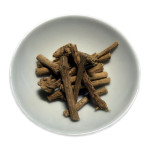
Erythrina mulungu (50g)
The forests of Peru and Brazil are home to a remarkable plant: the coral tree, also known as Mulungu, Pisonay, Mandara or Erythrina mulungu, to name just a few of its synonyms. The tropical zones of Africa and parts of Australia also serve as habitat for the coral tree, which enjoys a reputation as one of the most powerfully relaxing plants in the world.
Mulungu prefers moist environments and is primarily found in swamps and along riverbanks. The tree, which grows to a height of ten to fourteen metres and from which jewellery is even crafted, owes its name to its vivid orange blossoms, which are reminiscent of coral. This exotic member of the Fabaceae family — also known as the legume or pea family — produces its magnificent flowers between September and December and is today also sought-after as an ornamental plant in gardens. During the drier months, these splendid plants prove genuinely valuable to local fauna, and are used in landscaping as well as reforestation efforts.
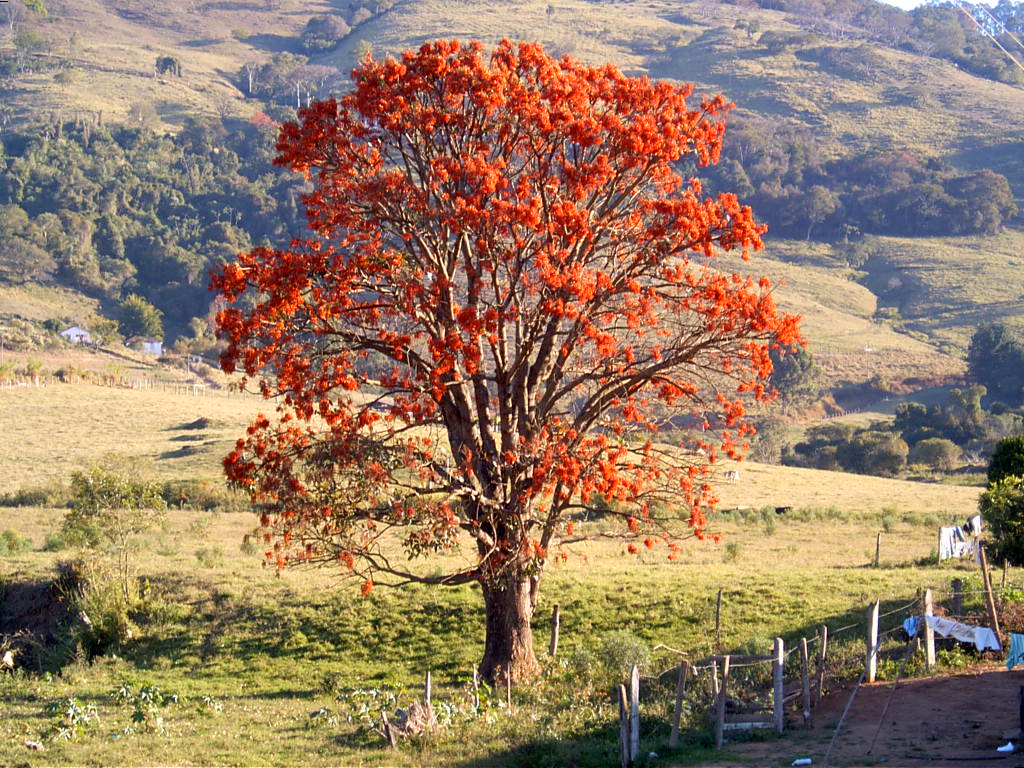
With around 100 different species, the coral tree genus is a large one. Through the traditional use of this potent plant, indigenous peoples laid the foundation for what has become the worldwide popularity of Mulungu today, valuing among other things its calming effect on the mind and spirit. Alongside the positive experiences of indigenous communities, further anecdotal reports speak of improved sleep, support during nicotine withdrawal, and relief from panic attacks and trauma-related disorders.
These effects are attributed to the various alkaloids found within the bark, among them 11-hydroxy-erysotrine, erythravine and 11-hydroxy-erythravine. Their associated stabilisation of gamma-aminobutyric acid (GABA) in the brain — an important neurotransmitter of the central nervous system — produces an inhibitory effect.
However, not all parts of this powerful plant are suitable for consumption: the seeds contain cytisines (secondary plant compounds) and curare-related alkaloids, which were used by indigenous populations as arrow poisons, among other applications. Their processing into fish poisons is also documented. In processed form, they are used as insecticides.
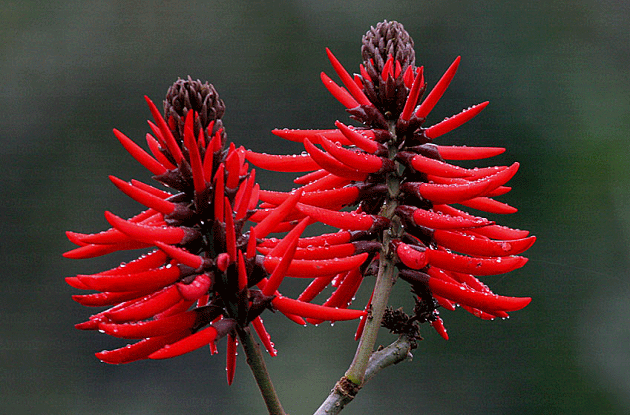
The focus of indigenous peoples was on the use of leaves and bark, from which tinctures were prepared, for example. More specifically, it is the active isoquinoline alkaloids — including cristamidine, erysodin and others — that combine to produce what is perceived as the effect of Mulungu.
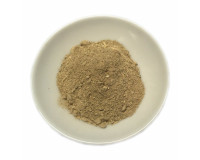
In tropical regions, the herb has been used for centuries as a tea, said to taste reminiscent of anise. It is prepared by simmering one to three teaspoons in half a litre of water, covered, for twenty minutes, until it is considered ready to drink. A finely ground form of the bark, which can also be taken mixed with water, is said to produce an even stronger effect, with a level tablespoon reported to be sufficient.
Overdosing and the misguided principle of "more is more" are generally inadvisable, as contrary effects may otherwise occur: insomnia, anxiety, nausea and dizziness.
Due to the Novel Food Regulation, we are NOT permitted to offer Mulungu as a food product. We therefore sell it as ethnobotanical reference material and NOT FOR CONSUMPTION.
Our herbs offer significant benefits to people; however, we are not permitted to make any medicinal or healing claims, even where these have been known for thousands of years.
Write a review
Your Name:Your Review: Note: HTML is not translated!
Rating: Bad Good
Enter the code in the box below:

Related Products
Featured