
Your shopping cart is empty!
Ginseng
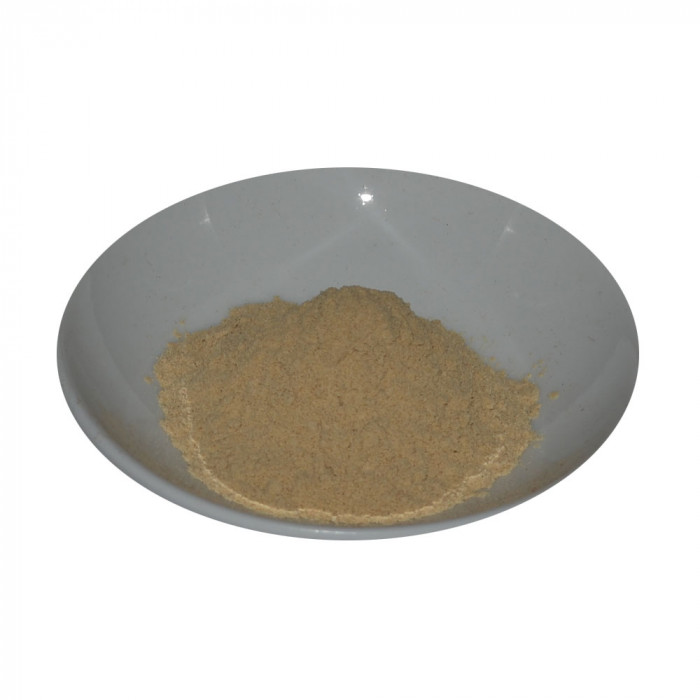

The famous root of life, Ginseng (Panax ginseng) — a complex mixture of over 200 triterpene saponins — is also known as Asian ginseng, Korean ginseng, Gilgen, Sam root, power root and man root.
Originating in China, specifically the north-eastern Chinese provinces of Heilongjiang, Jilin and Liaoning, its distribution extends into northern Korea and the southern part of the Russian Primorsky region. The plant prefers temperate zones and is now valued worldwide for its constituents, including essential oils.
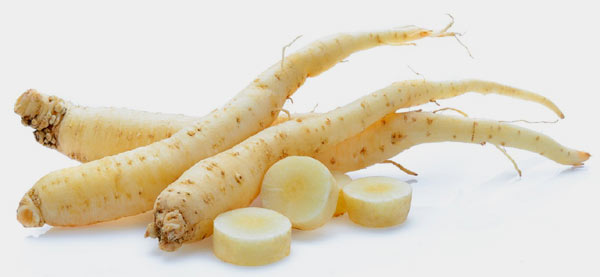
True ginseng plays an essential role in traditional Chinese medicine. It was traded throughout Asia for a long time before finding its way to Europe at the turn of the 17th century. Its reputation as a remedy was so impressive that its value surpassed that of gold. Its reputed healing power is reflected in the synonym Panax, which can be translated as "all-healing." Due to its partially human-like root form, it was also dubbed Menschenwurz — "man root" — in German-speaking regions.
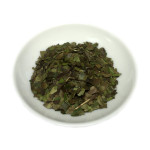
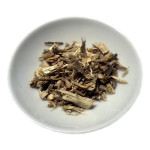
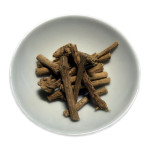
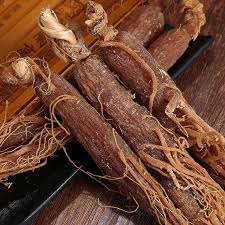
Both white and red ginseng roots are available on the market, differing not in their species but solely in their processing. Ginseng roots that are dried whole or sliced turn white and are therefore called white ginseng. When the root is treated with steam before the drying process for preservation purposes, a red colouration results — giving rise to the name red ginseng.
Given the richness of the species spectrum, true ginseng is also called Asian or Korean ginseng. Distinguished from it are Chinese ginseng (Noto-ginseng), Japanese, American and Siberian ginseng. All members of this large botanical family share similar constituents, though these are most numerous and most highly concentrated in true ginseng.
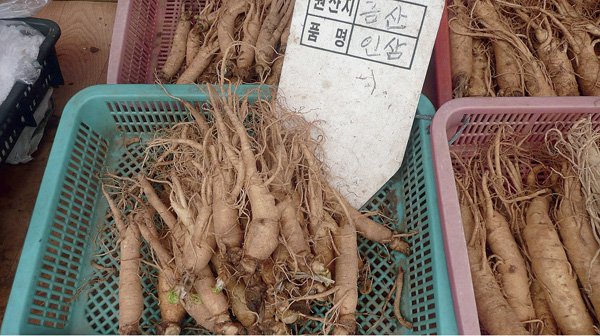
The root of life is cultivated primarily in South Korea and China. Although cultivation has been practised since the 11th century BC, it remains a challenging process. The above-ground plants are frequently susceptible to fungal attack and require correct shading. Despite these particularities, annual worldwide production amounts to approximately 80,000 tonnes.
Since the 20th century, Western science has also devoted increasing attention to this promising root, with constituents being identified and mechanisms of action elucidated on an ongoing basis.
As we do not offer medical advice, we wish merely to draw attention to the healing properties attributed to ginseng — perhaps not without reason. Our research and observations are not a substitute for medical advice, but are intended as a note for those who wish to discover the plant for self-care purposes. Consumers, studies and anecdotal reports suggest that psychomotor function, reaction speed, learning ability, performance and nerve activity may improve significantly through taking the wonder root.
With these findings, ginseng began its career as an all-round remedy for a wide variety of applications:
Tonic:
The root or a root extract can be used to strengthen and fortify the organism and to combat chronic fatigue and listlessness. Declining performance and concentration are said to be addressed. Those affected by chronic fatigue syndrome have also expressed appreciation after turning to ginseng following episodes of exhaustion.
Immunomodulatory:
Ginseng is said to offer prophylactic protection against stress-related infectious diseases such as colds. Asthmatic symptoms and bronchial complaints are also said to be alleviated by the power of the root.
Blood pressure-lowering:
There is a prevailing view that ginseng promotes increased nitric oxide release, thereby relaxing blood vessels. The ginsenosides may additionally stimulate blood pressure-regulating messenger substances.
The polysaccharides contained in ginseng are suspected of being able to significantly reduce bacterial accumulations. Consumers report relief from diabetes, liver problems and — not least — from potency disorders and erectile dysfunction. Ginseng is mentioned as a potency-enhancing medicinal plant as far back as the 3,000-year-old Chinese pharmacopoeia Shennong.
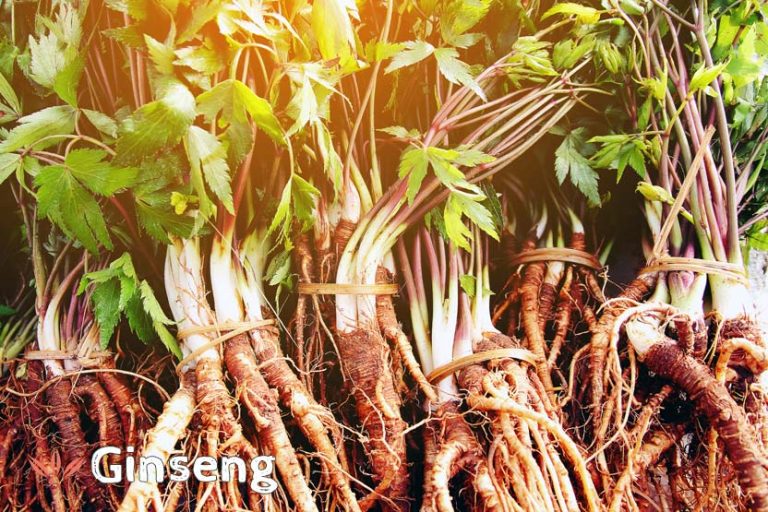
For those who have developed — or wish to develop — a taste for this root in all its diversity, we invite you to take note of our usage tips. In the absence of specific complaints, ginseng can be taken daily over a period of three months for the general strengthening of the organism. With breaks in between, this amounts to two ginseng treatments per year — similar in spirit to a spring clean — whose effects continue to resonate even after the intake has stopped.
A daily dose of one to two grams of dried root powder is recommended. You can brew a tea or consume the powder in capsule form. The simultaneous consumption of caffeinated drinks is not advisable.
Overdosing over a prolonged period can lead to insomnia and general restlessness. Ginseng consumption is also inadvisable during pregnancy.
With these words, we wish you an enjoyable time with the root of life!
Traditional use: eaten (1–2 tsp) / tea
Write a review
Your Name:Your Review: Note: HTML is not translated!
Rating: Bad Good
Enter the code in the box below:

Related Products
Featured