
Your shopping cart is empty!
Wild Dagga Flowers
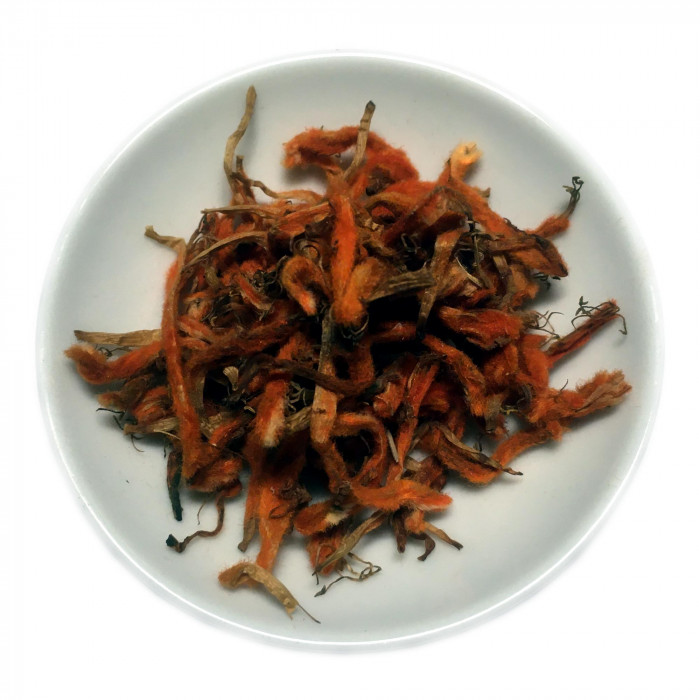

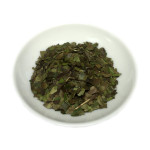
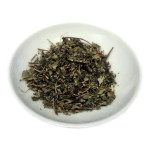
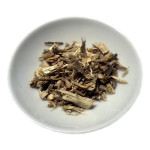
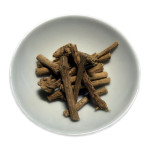
Leonotis leonurus Flowers (3g)
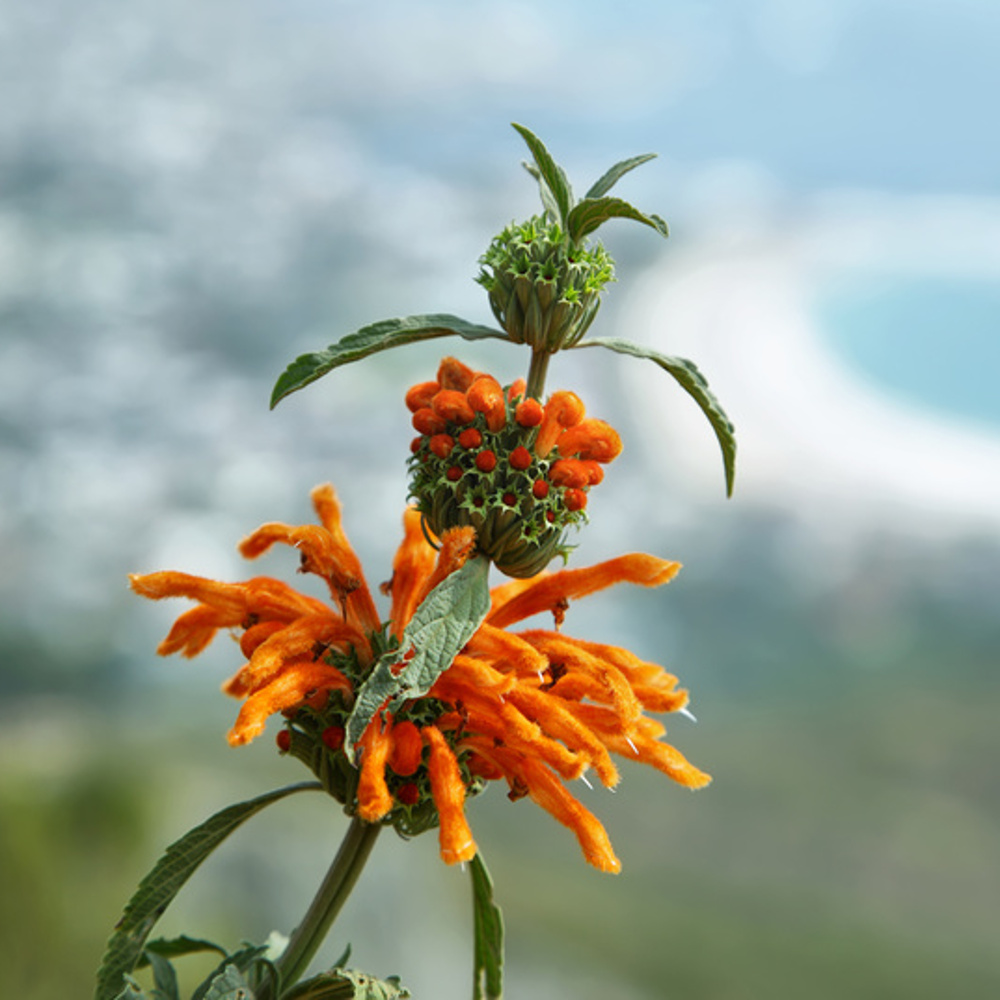
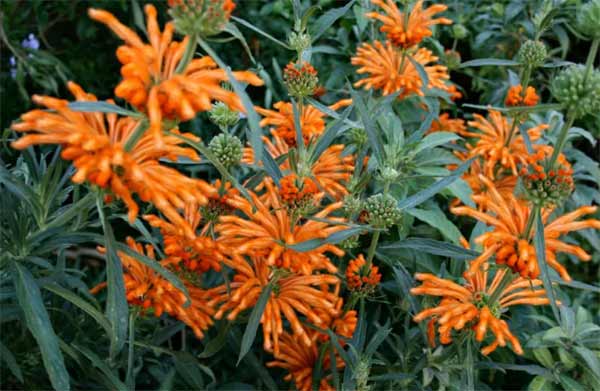
The mystical shrub Wild Dagga — also known as African lion's ear or lion's tail — has its origins in southern Africa. Its fluffy, orange flowers, reminiscent of the body parts of that regal big cat, can be enjoyed as a tea, vaporised or smoked. Growing up to two metres tall and preferring to spread outward rather than upward, this member of the mint family is a modest-sized plant — yet its evergreen beauty speaks of remarkable vitality.
The main constituents of this plant, which has a fascinating history, are the alkaloid leonurine and the bitter compound marrubiin. But before we take a closer look at the effects and ingredients of the plant, it is worth casting an eye over the history of Wild Hemp, Rooi Dagga or Klippdagga. The story begins with two ethnic groups of South Africa, categorised by Europeans into the tribes of the Khoikhoi (Hottentots) and the San (hunter-gatherers). The word "Dagga" derives from the old word "Dacha", which in the Khoikhoi language referred to all manner of botanicals that produced a psychoactive effect when consumed. In the 17th century, the word was recorded in at least ten different spellings and pronunciations, among them: Daggha, Dacha, Dacka, Dagha, Tagga, Dachka and Daga. Today, the word "Dagga" in Africa means cannabis. As the stigmatisation and criminalisation of cannabis advanced, the pronunciation "Dagga" was settled upon — presumably to embed an emotional charge into the word, since in Afrikaans "Ga!" is an expression of disgust.
The lion's ear, however, proves to be anything but threatening when one examines its historical range of uses — quite the contrary. The Khoikhoi employed this remarkable shrub for conditions including haemorrhoids, itching, headaches, constipation, anxiety, menstrual complaints, cramps, fever, asthma, rheumatism, gout, diarrhoea, high blood pressure and much more. In the case of snake and spider bites, Wild Dagga was used both for relief and in ritual contexts. Amulets made from this tactilely fascinating plant served as protection against impure spirits.
In contrast to the spiritually dubious snakes and spiders, Wild Dagga attracts the most beautiful birds and butterflies with its nectar, providing them with nourishment.
Where exactly does the euphoric, relaxing and even cheerful effect of the shrub come from? African lion's ear carries predominantly bitter compounds — coumarins, diterpenes and resins, which are found mainly in its leaves and flowers. A particularly interesting fellow is the already briefly mentioned marrubiin, which is said to bring relief from all manner of stomach complaints, as well as helping with nausea and stomach pain.
The natural alkaloid leonurine, present in all plants of the lion's ear genus (Leonotis), is considered from a chemical perspective to be an ester of aromatic carboxylic acid. Some users have sworn by its positive effect on uterine complaints.
The constituents to be enjoyed with a degree of caution are the so-called coumarins, familiar to us from cinnamon. Too much of these can lead to nausea, headaches and dizziness — though it should be fairly difficult to consume an excessive amount. To fully experience the unfolding of the pleasant effects, the flower petals should be finely chopped before use.
Traditional use: vaporising (150–175°C) / tea (1–2 tsp)
Write a review
Your Name:Your Review: Note: HTML is not translated!
Rating: Bad Good
Enter the code in the box below:


Related Products

Featured