
Your shopping cart is empty!
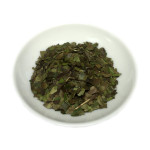
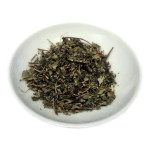
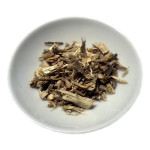
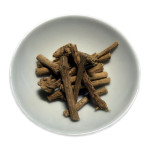
Iboga root bark (5g)
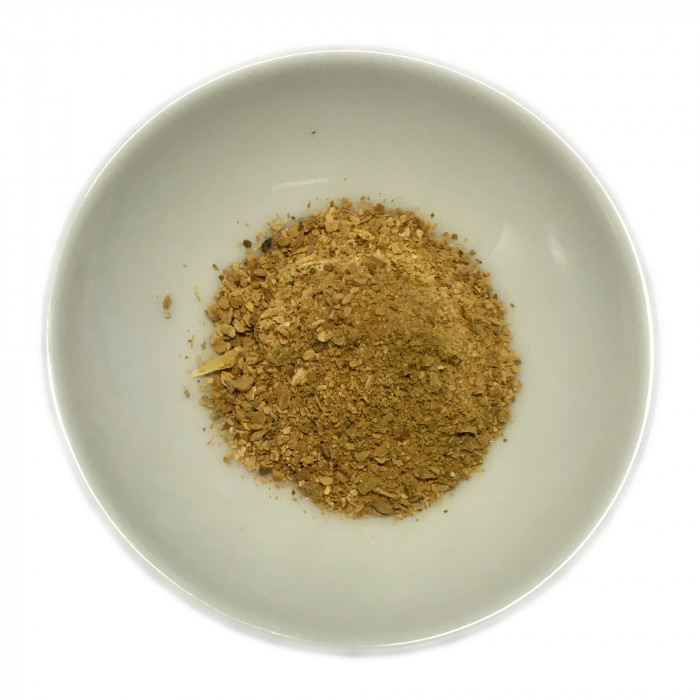

Tabernanthe iboga – Root Bark (5g powdered) - for large amounts please go here :)
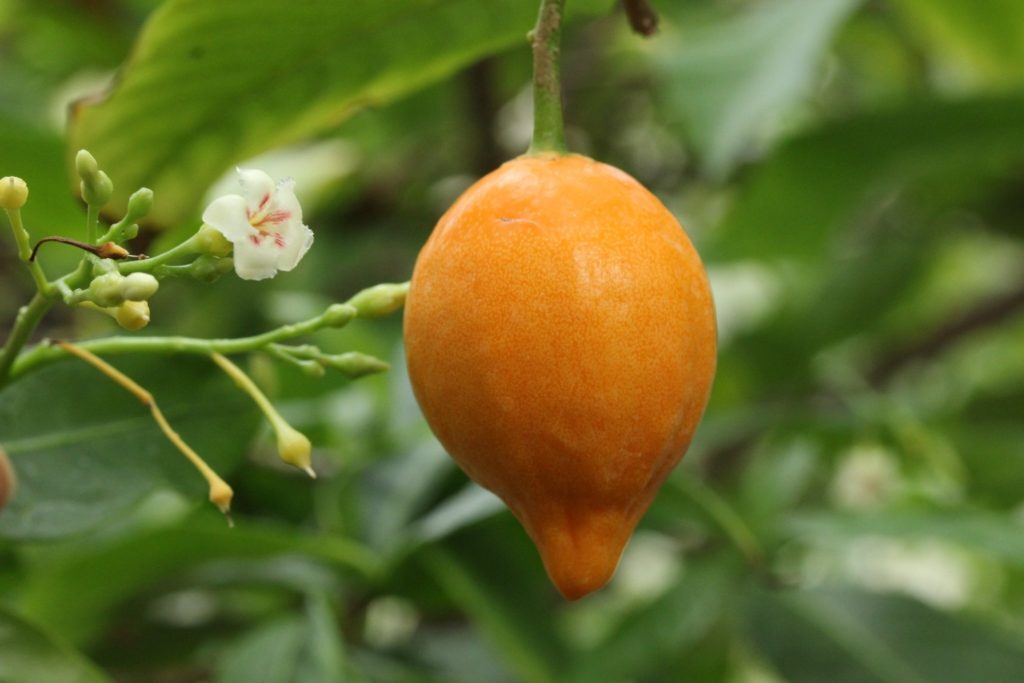
The myth-shrouded plant Iboga, also known as Tabernanthe iboga, Bocca Eboga, Eboka, Dibuka, Obona, or the Shrub of Knowledge, is an evergreen shrub from the Apocynaceae family, native to Central Africa. Iboga thrives in the undergrowth of the tropical forests of Gabon, Cameroon, the Democratic Republic of Congo and the Republic of Congo.
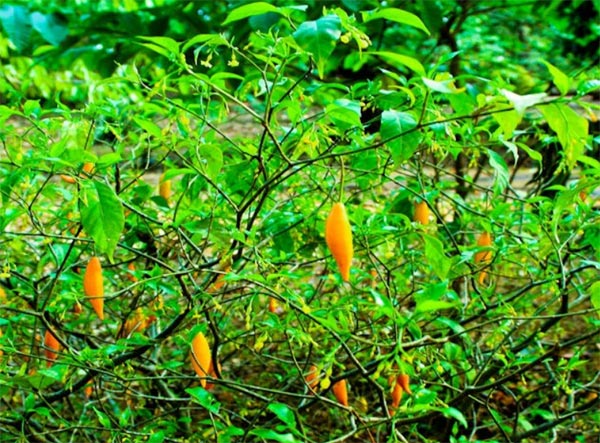
A distinctive feature is the plant's deeply shamanic and ritual background. It contains psychoactive indole alkaloids — iboga alkaloids, most notably ibogaine. These compounds paved the way for the powerful shrub's remarkable history, one that can be traced back to the Pygmies. They passed their knowledge on to the West African Fang people, who wove the shrub and its origin into their mythology. Like many other psychoactive plants, the iboga shrub — according to a legend that may seem strange at first — also emerged from a human being:
Zame Ye Mebege, the god, caught the plant-wise Pygmy Bitamu harvesting fruits from the Atanga tree. The god caused Bitamu to lose his footing, and Bitamu fell to his death. Zame Ye Mebege cut off the small fingers and toes from the corpse and planted them in various parts of the rainforest. From these body parts, the iboga shrub grew.
In this way, the iboga shrub became a firm fixture of African shamanic culture. In ritual, the plant serves as a bridge to the ancestral world, whose wisdom it embodies in materialised form. Before hunts, iboga can be consumed to locate game under the guidance of the ancestors. Chewing pieces of the root bark also helps maintain wakefulness and strength, as well as enduring long periods of motionless, focused ambush.
Since African belief holds that the problems of the individual are always also problems of the community, healing rituals are attended not only by the sick person, but usually by the entire tribe. The remarkable plant is also used in initiation rites marking the transition to adulthood, as well as for the reintegration of banished tribe members.
The use of Tabernanthe iboga also gained great significance among reformed cultures that converted to Christianity. The shrub was woven into Old Testament mythology and is regarded as the true "Tree of Knowledge" from the Garden of Eden. This "ez ha daat tov ve ra" — the tree of the knowledge of good and evil — bears its name for good reason, and opens worlds to those who partake of it that they could not previously have imagined. Certain parallels can be drawn to the North American Peyote tradition, in which the psychoactive substance is regarded as a sacrament and consumed as part of a syncretic ritual (a blending of different religions, confessions or philosophical views). Instead of an ineffective communion wafer, the "true" sacrament iboga is consumed (in modest doses) at these nocturnal ceremonies.
To enter the priesthood as a novice, an overdose is taken during the initiation rite. This is meant to "break open the head" and, through physical collapse and coma-like states, enable a journey into the ancestral world. The Fang people describe the visions that arise during iboga rituals as "wandering through the forest." Effects set in approximately 40 minutes after consumption, followed by vivid visions which, while individually varied, repeatedly feature archetypal symbols such as animal figures or geometric shapes. More concrete imagery may relate to one's own life, bringing decisive moments and milestones to the surface. Many report experiencing the perspective of an observer, offering an objective view of one's own problems and their causes. Contact with deceased family members is also reported. The visions typically occur in a dream-like state.

In the Western world, accounts have emerged highlighting a further area of interest: consumers of the root bark report significant relief and support in the context of addiction withdrawal. This is attributed to noribogaine, into which ibogaine is converted in the liver. It inhibits the receptors responsible for cravings associated with the relevant substance. By raising serotonin levels and interrupting the reward circuit, withdrawal symptoms are alleviated, initially easing the physical experience of detoxification. On a psychological level, iboga is said to reconnect the user with the event — or more broadly, with traumatic, dissociated experiences in general — that can be identified as the root cause of the addiction. Thus, very much in keeping with the approach of indigenous peoples, the plant is believed to be capable of opening subtle planes and bringing deep layers of the subconscious to light through visions.
In any case, professional supervision is strongly advised when considering iboga therapy. In general, the root bark should never be tested alone in higher doses. An overdose can lead to respiratory paralysis, cardiac arrhythmia and cardiac arrest. A "Dybbuk" — etymologically related to the iboga synonym "Dibuka" — is regarded in Jewish mysticism as a spirit entity, which serves as yet another reminder to handle the bark of the Tree of Knowledge with great responsibility.
Write a review
Your Name:Your Review: Note: HTML is not translated!
Rating: Bad Good
Enter the code in the box below:


Related Products


Featured