
Your shopping cart is empty!
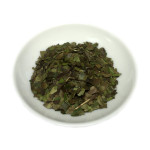
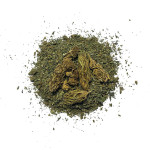
Hempflowertea fruity
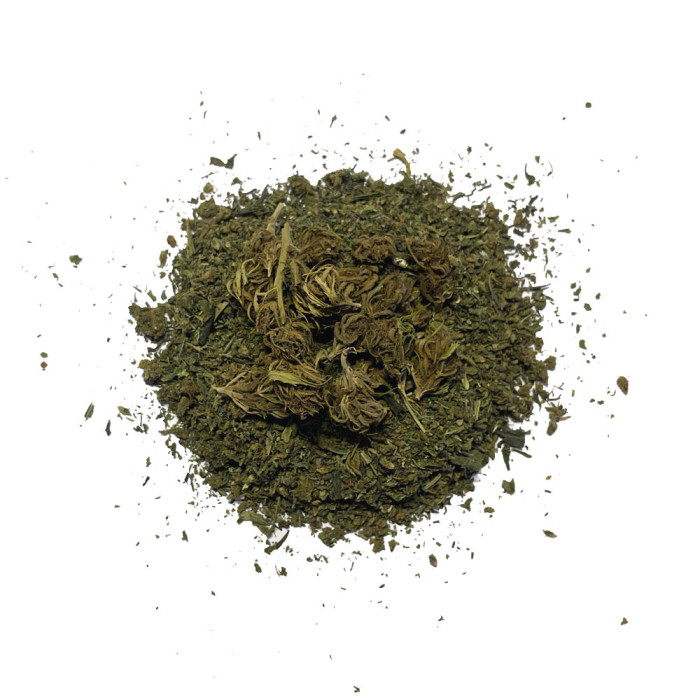

With this unique Organic Hemp Tea (25g fruit flavor) you will find calm and relaxation. The valuable cannabinoids in the hand-processed hemp support your sleep in a 100% natural way.
Shen-Nung, the mythical founder of Chinese herbal medicine, already mentioned hemp in 2737 BC — and as recently as the 19th century, cannabis was known as an important component of home medicine cabinets for a variety of applications. The plant brought particular relief in the treatment of pain from a wide range of causes. In antiquity, cannabis preparations were used for joint and muscle pain, migraines and cramping complaints associated with menstruation.
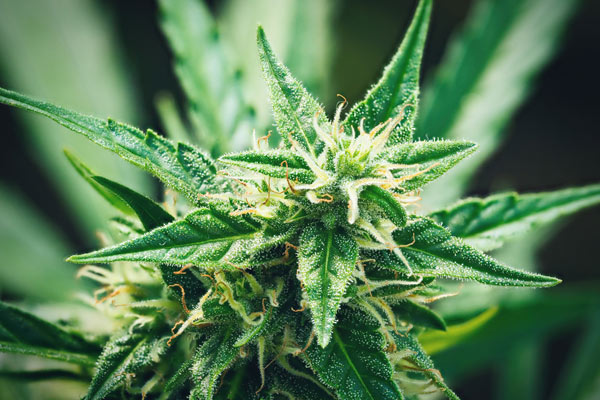
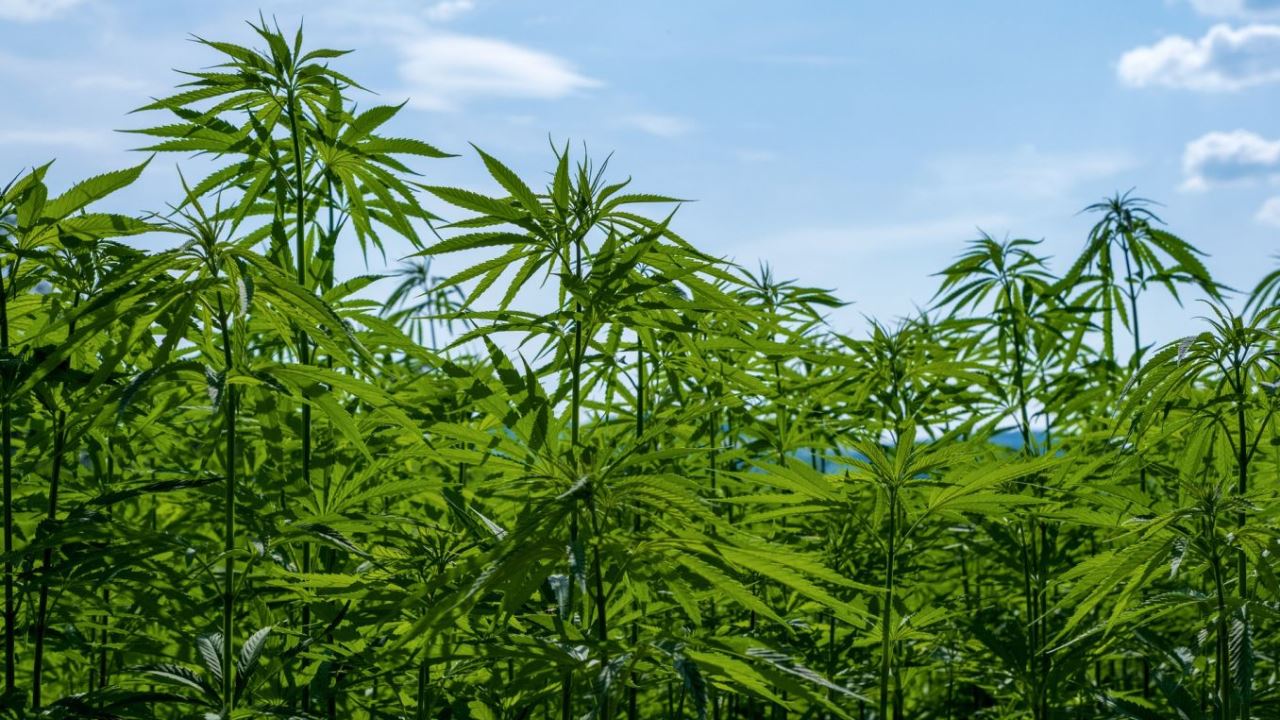
The annual herbaceous plant feels right at home with diversity: it is considered dioecious — "two-housed" — and exists with separate sex distribution. Female and male flowers appear on separate individuals. The plants reproduce sexually, with the female plants being pollinated by the males; the males produce pollen from their flowers, which reaches the pistils of the female plants. This is how cannabis seeds are formed, carrying both X and Y chromosomes. The hemp plant reaches a height of four to six metres and has a well-developed taproot with numerous lateral roots. The flowering period runs from June to September, with the male, panicle-like flower clusters growing to around 25 centimetres in length. The female, spike-like flower clusters are axillary and grow densely together between the leaf-like, yellow bracts and bracteoles. These are the important ones: most growers want to cultivate plants that produce female flowers, as these contain the greatest concentration of active substances in cannabis — cannabinoids and terpenes.
With the spread of modern pharmacology, the therapeutic possibilities of the hemp plant have been pushed into the background, and its reputation as a drug has been increasingly emphasised. We are currently witnessing a justified call for a clearer and more measured distinction between intoxicating and healing effects — including the question of whether the healing effects described in anecdotal reports can be reproduced under the controlled conditions of clinical studies. For reference: cannabis is used as a drug in various forms, covered by terms such as marijuana, hashish (cannabis resin), charas, bhang, ganja and sinsemilla.
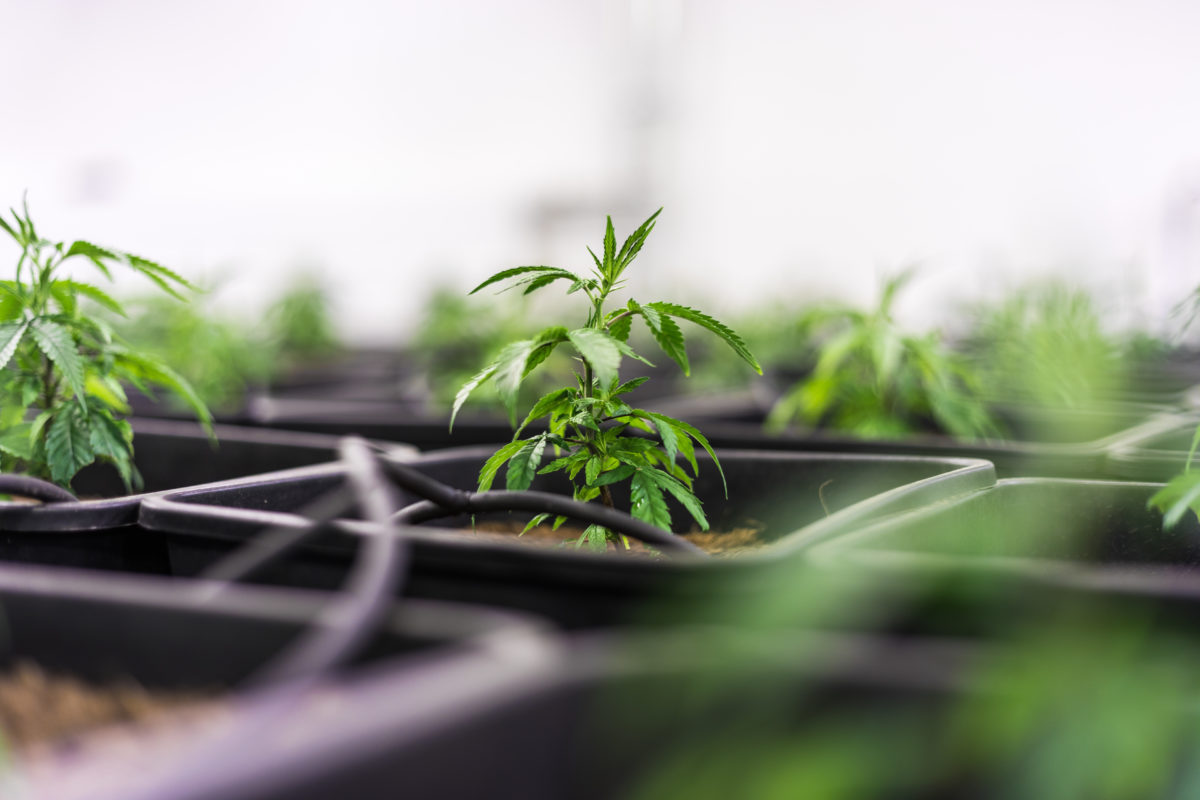
The most important medicinally active — but also intoxicating — compound is the so-called delta-9-tetrahydrocannabinol, or THC for short. Other key constituents include cannabidiol (CBD, which is the primary focus here), cannabinol, cannabigerol and delta-8-THC.
CBD, the second most important compound in cannabis, continues to prove itself as a remarkable substance among both experienced and new users alike. People report antispastic, anticonvulsive and pain-inhibiting effects. Sleep disorders are said to be gently and tolerably alleviated; psychological states of agitation such as anxiety and panic disorders find relief; and those affected by post-traumatic stress disorders report remarkable improvement with CBD use. According to reports from individuals with severe trauma, CBD consumption is said to soften traumatic amnesia, allowing those affected to regain better access to their subconscious and the dissociated parts of their memory. CBD acts gently and subtly: it forces nothing, but rather seems to attune itself to the vibration of body and mind, meeting each person exactly where they currently need stabilisation and support in order to progress in their process of healing or truth-seeking. Here too there are no side effects, no "bad trips" or unpredictable surprises. As relaxed, grounding and centring as CBD itself, so too is the journey with the plant — in which the user may find a steadfast, nerve-strengthening companion. It is also worth noting that CBD dampens the psychotropic effects of THC, thereby counteracting the most commonly occurring side effect of isolated THC: it makes one chilled, calm and gently content — but not high.
In this relaxed state, users report a newfound ability to release compulsions and to view entrenched anxiety patterns and disorders from an expanded perspective — one from which they reveal themselves to be far less threatening than previously feared. There is also no risk of the tachycardia or dizziness that can occur following THC use.
Traditional use: tea (1–2 teaspoons with milk)
Write a review
Your Name:Your Review: Note: HTML is not translated!
Rating: Bad Good
Enter the code in the box below:
Related Products
Featured