
Your shopping cart is empty!
Sassafras
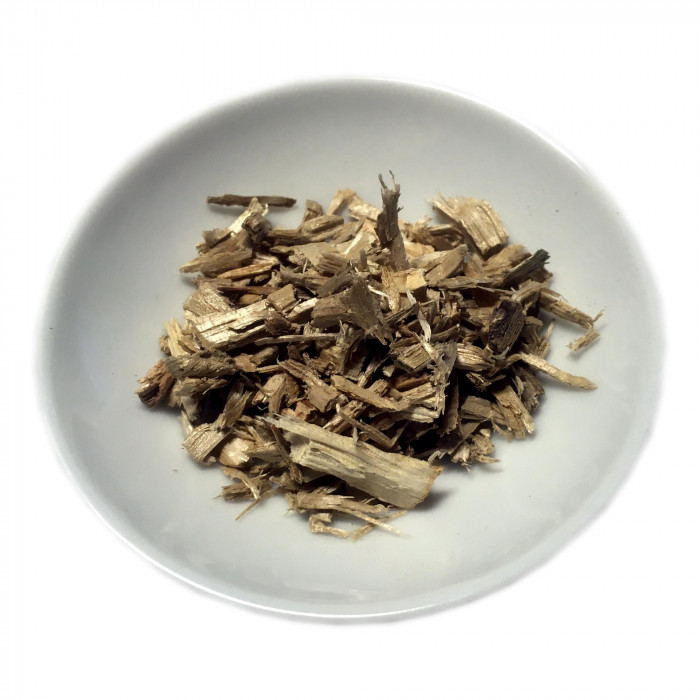
Weight: 50 g -
Price:
11.90€
10 packs or more cost only 9.90€ per pack
20 packs or more cost only 8.00€ per pack
20 packs or more cost only 8.00€ per pack
Qty:
- OR - Add to Wish List
Add to Compare
- OR - Add to Wish List
Add to Compare

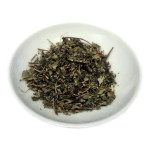
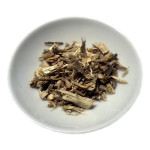
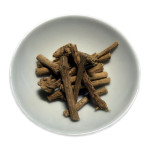
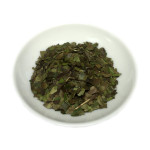
Sassafras albidum (50g) — Fennel Wood, also known as Nelkenzimtbaum, Sassafrax, Summer Laurel, Fever Tree, Winauk, Saloop and Sassafras, is a tree with aromatic bark originating in North America. Its broad range of effects extends, depending on quantity and brewing time, from cleansing through to euphoric, empathy-enhancing and aphrodisiac.
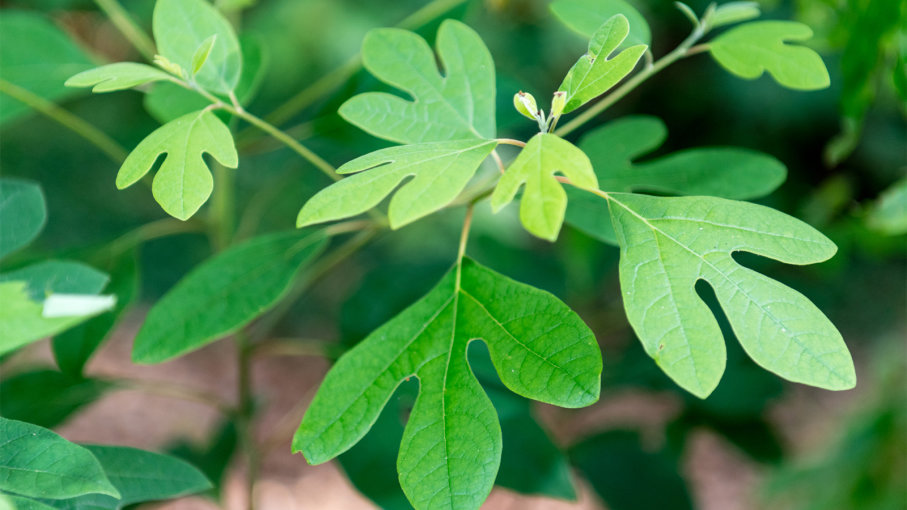
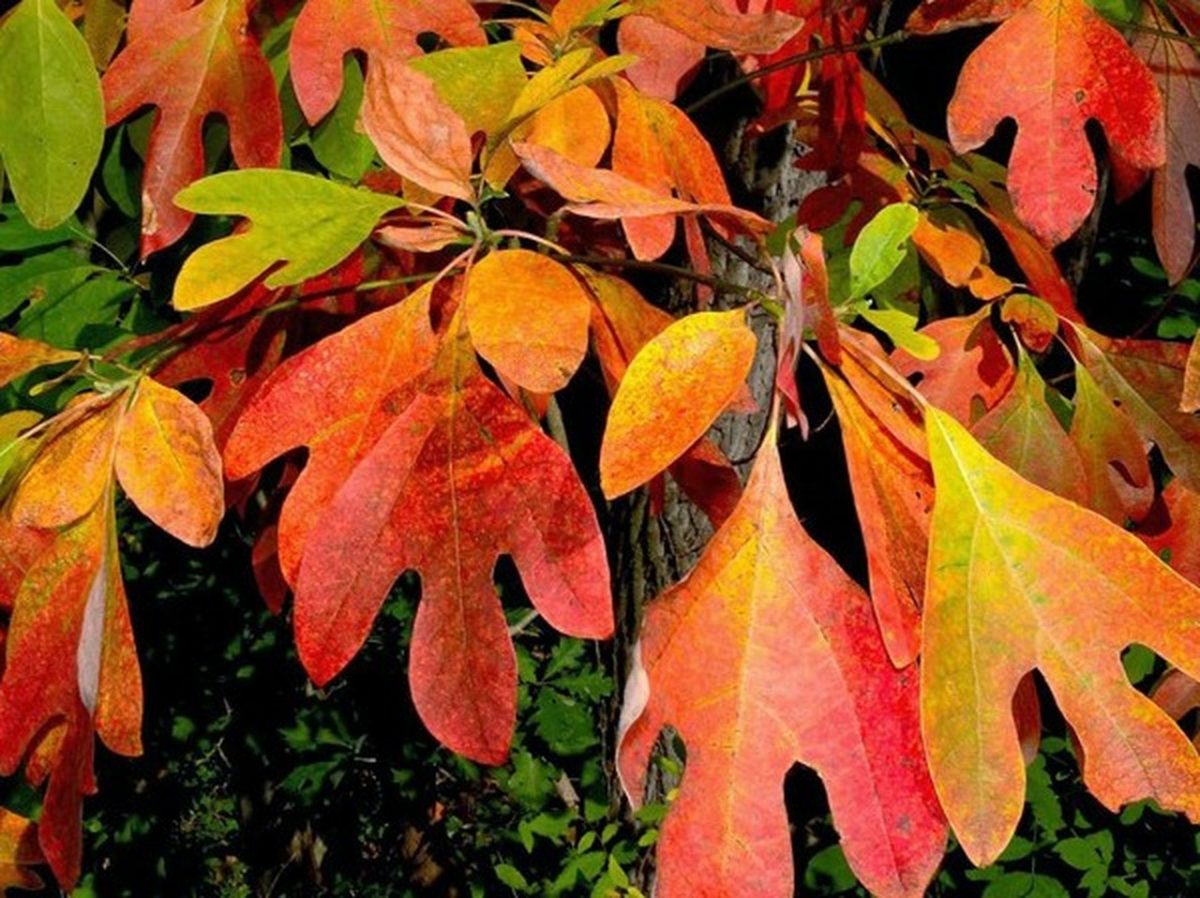
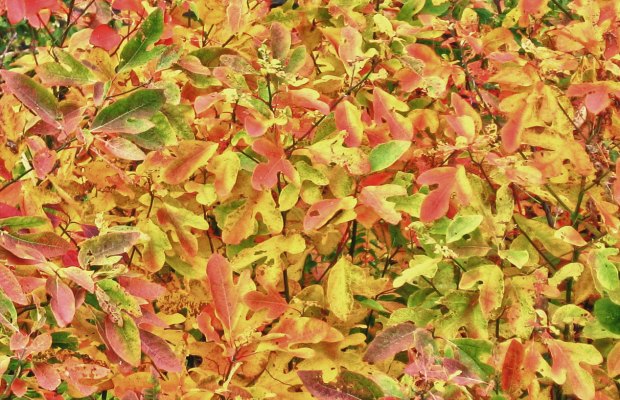
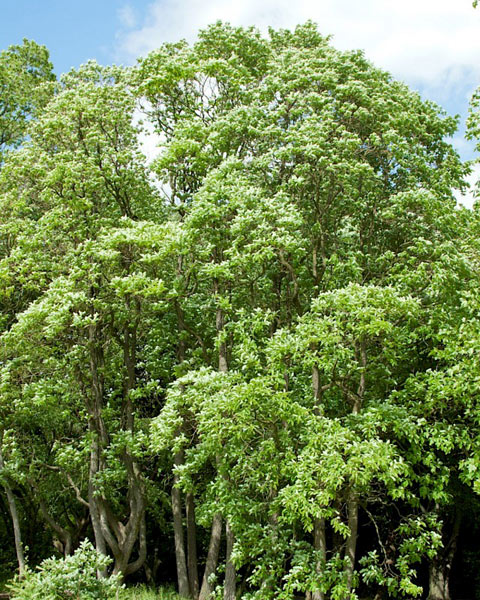
A member of the laurel family, it forms its own genus with three species, two of which thrive in China. This entry concerns the sassafras tree native to eastern North America. Particularly striking are its leaves, which are all differently shaped: the smallest are oval, the medium-sized ones have an indentation and are two-lobed, and the largest are three-lobed, their shape vaguely reminiscent of a fig leaf. The lobes may be rounded or taper to a point. The yellow flowers have a greenish tinge and smell accordingly sweet and lemony. The tree also bears small stone fruits, growing to approximately one centimetre in size and taking on a blue-black colouration.
Sassafras is at home in North America and played a significant role in European colonisation. As one of the first "discoveries," it likely unwittingly inspired the further exploitation of the New World. In the 17th century, vast quantities of sassafras were shipped to Europe. The safe arrival of the ships in England lent sassafras a reputation for protective power — it was declared a lucky wood. Word of this magical bonus spread quickly, and so the newly discovered lucky tree came to be used in a wide range of goods. Summer laurel was employed in shipbuilding to ward off evil spirits and prevent maritime disasters.
For over a century, sassafras enjoyed high esteem and was repeatedly used to drive out illness and as a tonic for a long life. The North American indigenous peoples, who called the plant Winauk, were aware of sassafras's power much earlier. Traditionally they crafted canoes from its trunks and knew how to harness the plant's healing and psychoactive properties. The Cherokee administered a tea made from the root bark to children suffering from worm infestations. Compresses soaked in tea were applied to open wounds, and rinses were used to treat eye pain. The Chippewa, meanwhile, are said to have discovered the blood-thinning properties of the cinnamon clove tree and turned to a decoction of the root as a remedy for measles.
Among the Houma, the roots were known as a treatment for scarlet fever. Insect bites, loss of appetite, syphilis and fever are also said to have been alleviated by the compounds found in fennel wood.
Its historical use as a remedy proves, on this evidence, to be almost unlimited. Beyond its medicinal application, sassafras also found use in ritual practice. One recorded tradition is said to attest to the protective power of sassafras: it was believed that an unborn child was cursed if the shadow of a bird had circled over a pregnant woman. In such an unfortunate case, a decoction of several herbs — among them sassafras — was prepared to remedy the situation. By ritual convention, only the bark from the east-facing side of the tree could be used. The newborn was bathed in this decoction for four days and four nights. Each ritual bath concluded with the shaman spraying the same liquid from his mouth over the child, a final shower that was believed to expel even the last impure spirit.
What other uses of sassafras are described? The root can be used for natural dyeing of fabrics, producing warm shades of brown and pink. In the cuisine of the American South, the leaves are used as a spice for gumbo, a stew, while the wood serves as protection against moths and insects. Worldwide fame came to sassafras through root beer, originally made from the root — though due to its high safrole content, the soft drink fell under suspicion of being carcinogenic. This psychoactive compound, which in massive quantities can cause damage to the liver and kidneys, is indeed suspected of being a carcinogenic substance. Safrole is no longer permitted as a food additive within the EU. In particular, safrole-containing soft drinks, consumed by some people in quantities comparable to water, may have posed a health risk. Conversely, there are said to have been studies whose long-term subjects showed a reduced cancer rate. As so often, opinion stands against opinion. In any case, the low incidental exposure should be emphasised when a substance that serves as a precursor in MDMA and MDA synthesis is prohibited.
As for any concerns about the safe use of sassafras: the dose makes the poison. Those who do not feel comfortable drinking the root bark daily as a cleansing tea can still find great enjoyment in occasional use.
Let us take a closer look at the effects of safrole — perhaps unjustly maligned. It is considered the primary psychoactive compound of summer laurel and is present throughout the entire tree. Reports indicate that safrole has positive effects on mood, empathy and libido. Alterations in perception have also been documented.
When the essential oil of the root bark is extracted, it contains 80–90% safrole, which makes it theoretically well suited as a base compound for MDMA synthesis. The effects of sassafras prepared as a long-simmered tea are also compared to those of MDMA, though considerably milder in intensity. A brief aside: safrole as an active compound is also what makes nutmeg psychoactive. Aside over.
In addition to safrole, the sassafras tree contains a further psychoactive compound — elemicin — to which hallucinogenic properties are attributed. Other constituents of this North American tree include camphor, asarone, lignan, pinene, eugenol, estragole, elemicin, myristicin, apiol, tannins and alkaloids such as aporphine, benzylisoquinoline derivatives, boldine, isoboldine, norboldine, cinnamolaurine, norcinnamolaurine and reticuline.
For those among our curious readers whose interest has been piqued, we recommend the following methods of preparation:
Hot water extract: Take a handful of root bark and half a litre of water. Leave the plant material to soak in the water overnight in a saucepan. The following day, place the pot on the stove, bring the contents to a simmer for 15–20 minutes, and drink the liquid without (!) the root bark. This method of preparation produces a cleansing, balancing effect. Long-term use may improve the complexion and potentially have a positive effect on conditions such as arthritis, gout and rheumatism. Those recovering from illness report improved regeneration with sassafras use.
Intensive hot water extract: You will need 10 grams or more of sassafras, one litre of water and lemon juice. For a more intense effect, bring the quantity of 10 grams or more together with water and lemon juice to the boil. It is also advisable to allow the root bark to simmer gently for 20–30 minutes. The resulting liquid is again drunk without the plant material. With its euphoric and aphrodisiac qualities, this preparation is perfectly suited to an evening for two — and the heightened empathy it brings can certainly do no harm on such an occasion. ;-)
Alcohol extract: Leave the sassafras material to steep in alcohol for two weeks or longer. Prepared in this way, the aphrodisiac effect of the plant comes particularly to the fore. Sleep disturbances may occur while the effects are active.
Caution: Pregnant women must under no circumstances consume sassafras. As the plant was used in earlier times to induce abortion, consumption during pregnancy can lead to miscarriage. Overdosing is also strongly inadvisable, as it can cause side effects including nausea, vomiting, dehydration and circulatory problems. The cinnamon clove tree should therefore be used with care and conscientiousness.
Like with all wood products, Sassafras should be boiled at a rolling boil for about 10-15 minutes and the water strained and drunk.
Traditional Use: Alcohol Extraction / Tea (2-3 Tablespoons)
Write a review
Your Name:Your Review: Note: HTML is not translated!
Rating: Bad Good
Enter the code in the box below:

Related Products
Featured